Articles, Case Studies & Troubleshooting
Real shop-floor results, the engineering behind them, and field-tested fixes for the problems that wreck parts and tools.
Case Studies
Real shop-floor results and the numbers that prove them.
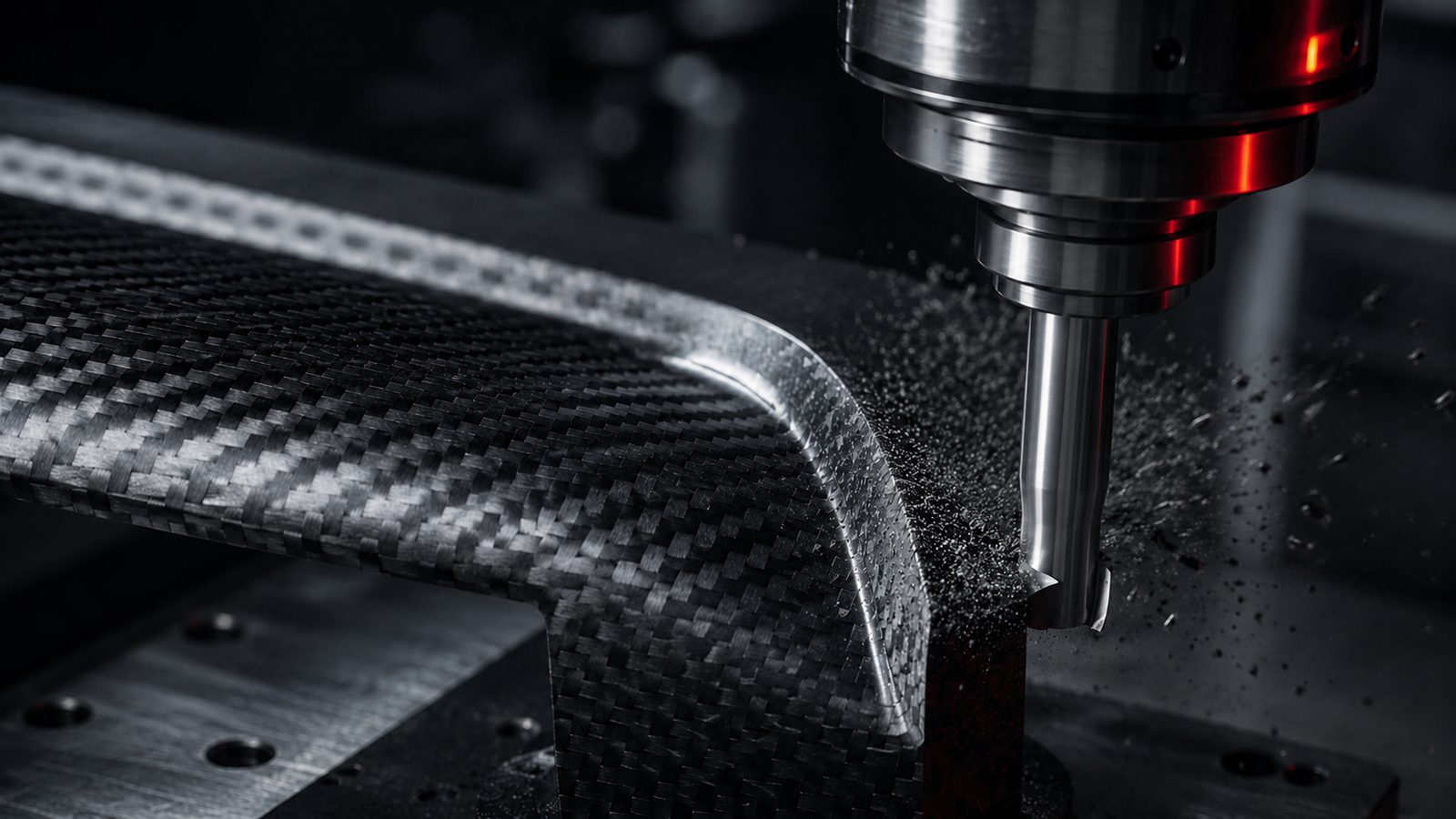 Case Study
Aerospace · Composites
Trimming Carbon Fiber Aircraft Skins
An aircraft manufacturer cut CFRP skin trimming from three operations to one — saving $216,000 a year and quadrupling capacity.
Read the story →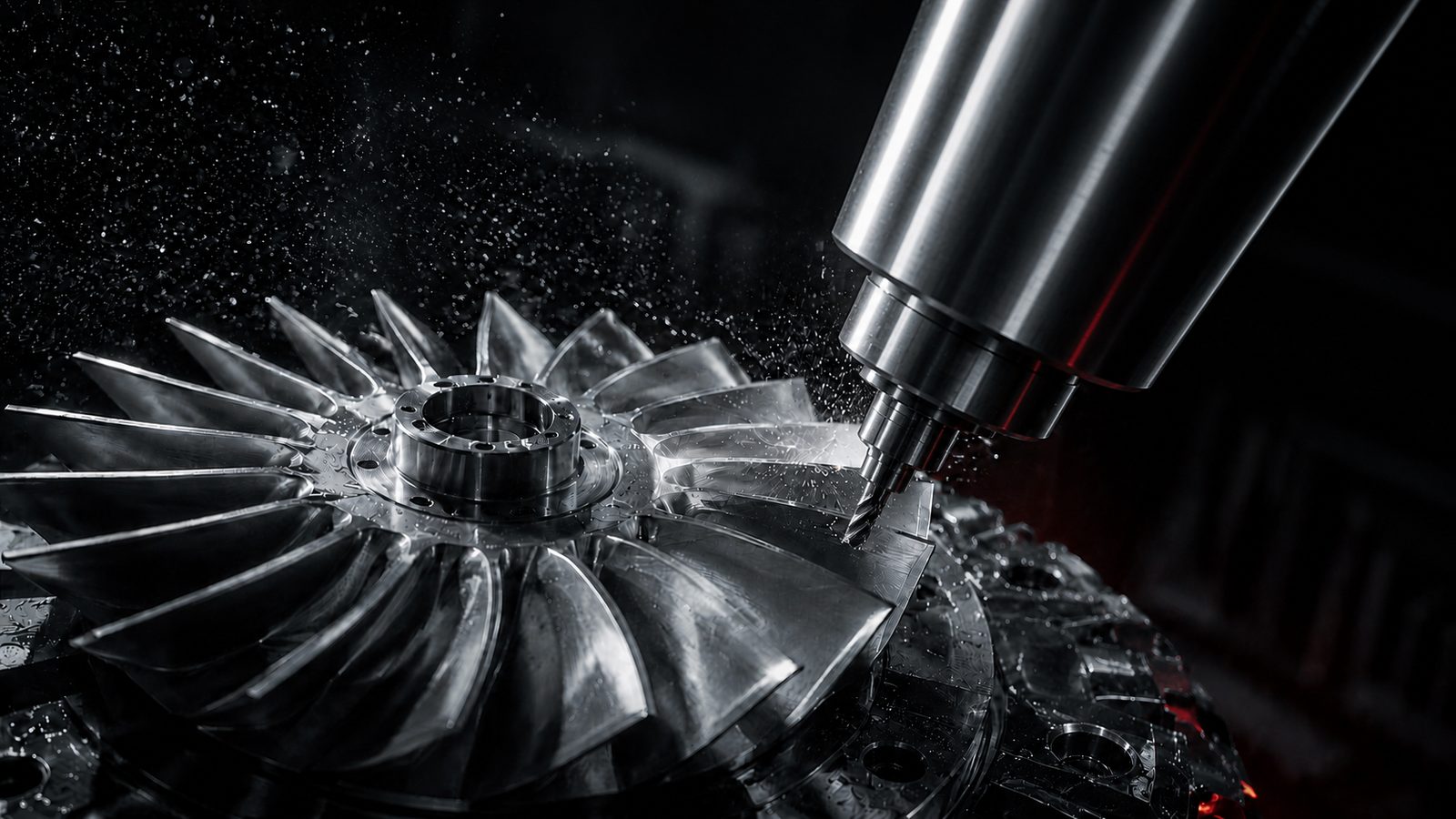 Case Study
Aerospace · Composites
Carbon Fiber in Aircraft: Clean Holes, Shredded Competition
A PCD-tipped Single Shot drill cut 4,000+ clean holes in CFRP wing spars where competitors managed 160 — saving $548,290 a year.
Read the story →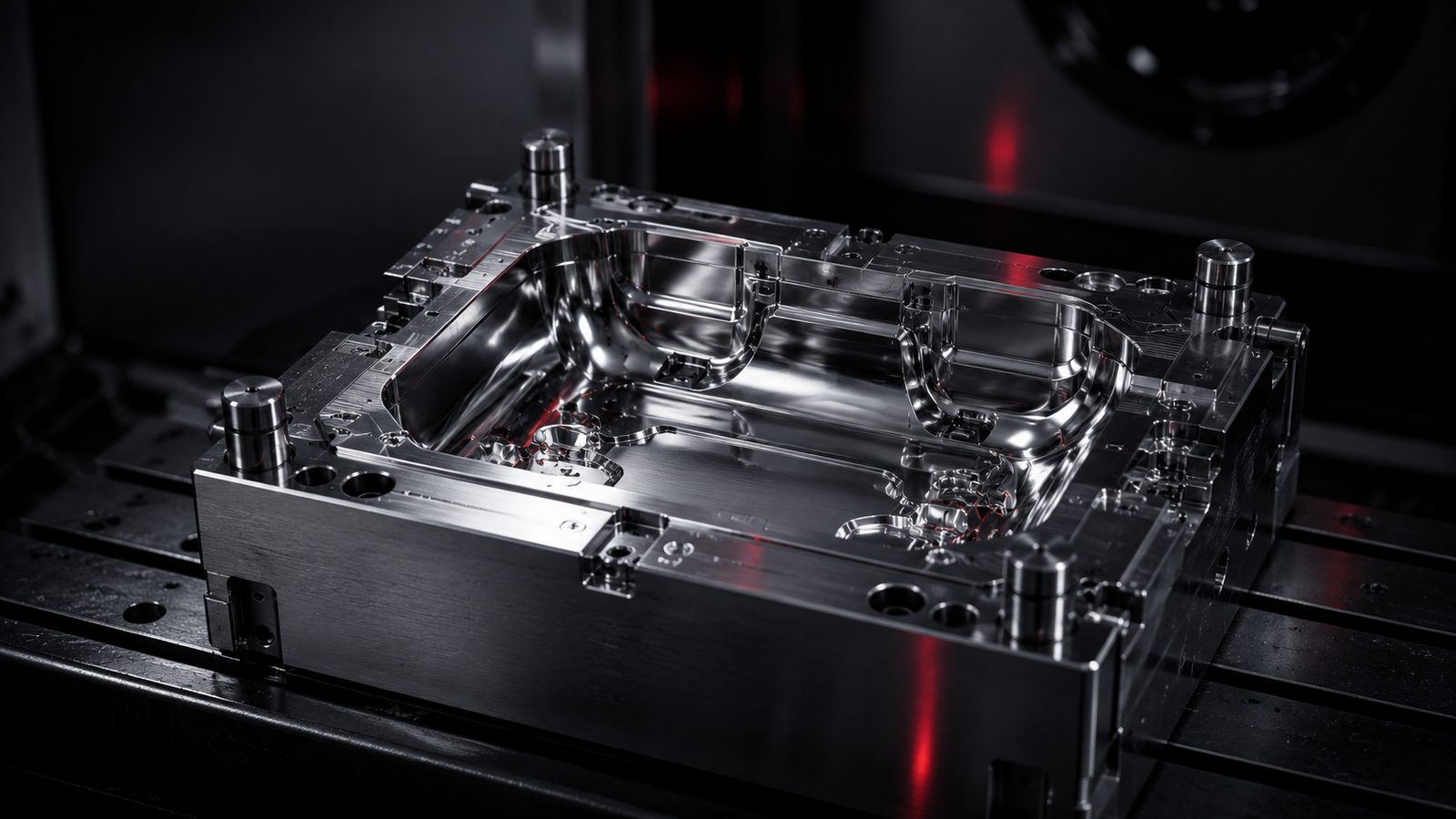 Case Study
Mold & Die
Increased Die/Mold Tool Life in Hardened Steel
Tested in D2 at 58 HRc, the DM/MDM end mill lasted 450% longer with 909% less wear than comparable hard-milling tools.
Read the story →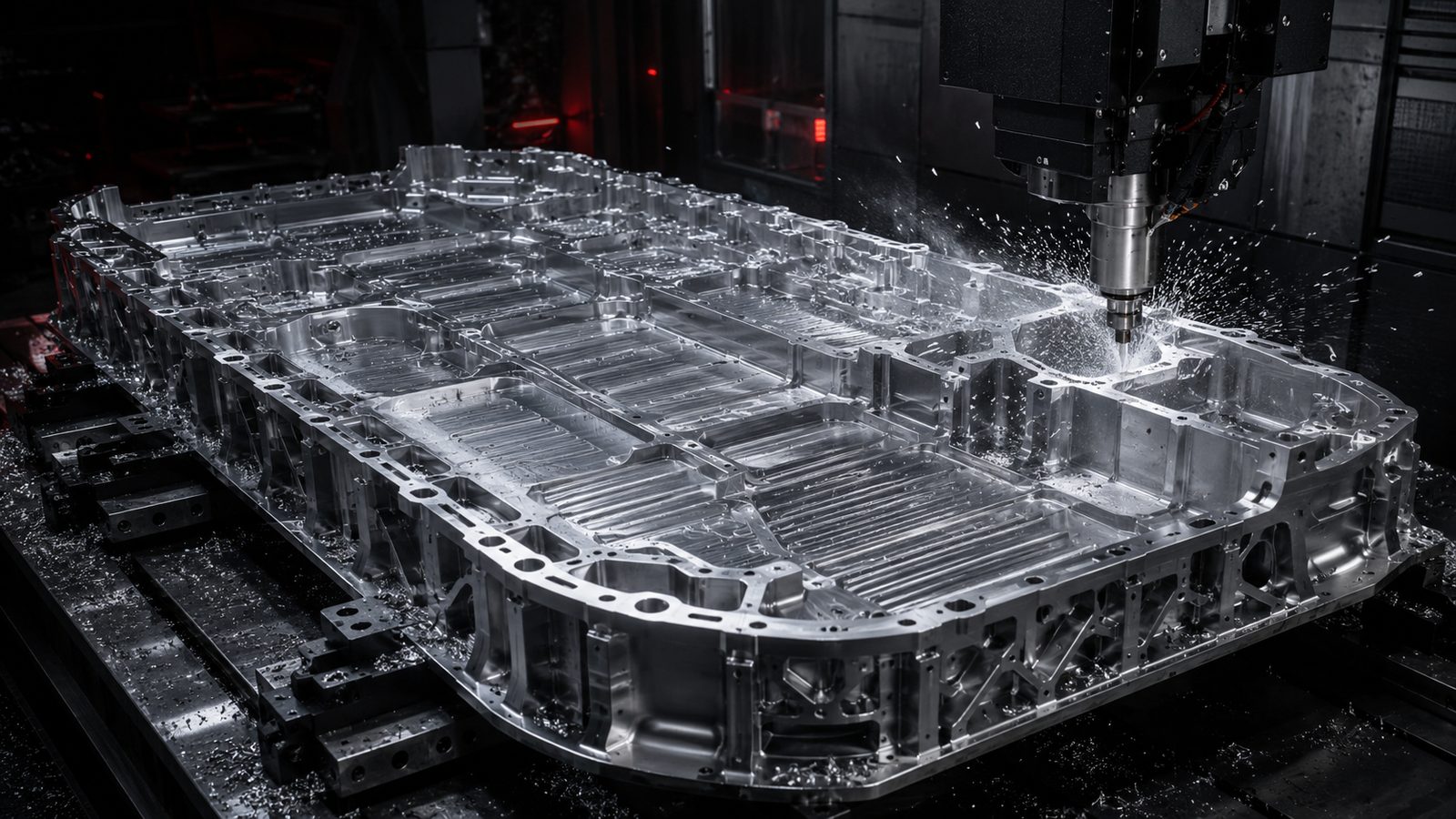 Case Study
Automotive & EV
Aluminum in Automotive: One Tool Where 20+ Failed
An automaker doubled feed rates and halved cycle times for aluminum — after 20+ toolmakers failed, the A1-303 was the only one that delivered.
Read the story →Technical Articles
The engineering behind the cut.
ArticleAluminum
An End Mill Designed to Control Chatter
RobbJack's Mirror Edge™ geometry keeps a flute in contact with the work until the next one engages — synchronizing vibration to kill chatter and unlock a fivefold jump in metal removal.
Read the article →ArticleAluminum
The Allure of Aluminum: Removing Metal Faster Without Chatter
Aluminum is easy to cut — which is exactly why the competition is won on cubic inches per minute. RobbJack's AL3 series takes 8×D-deep cuts in a single pass without chatter.
Read the article →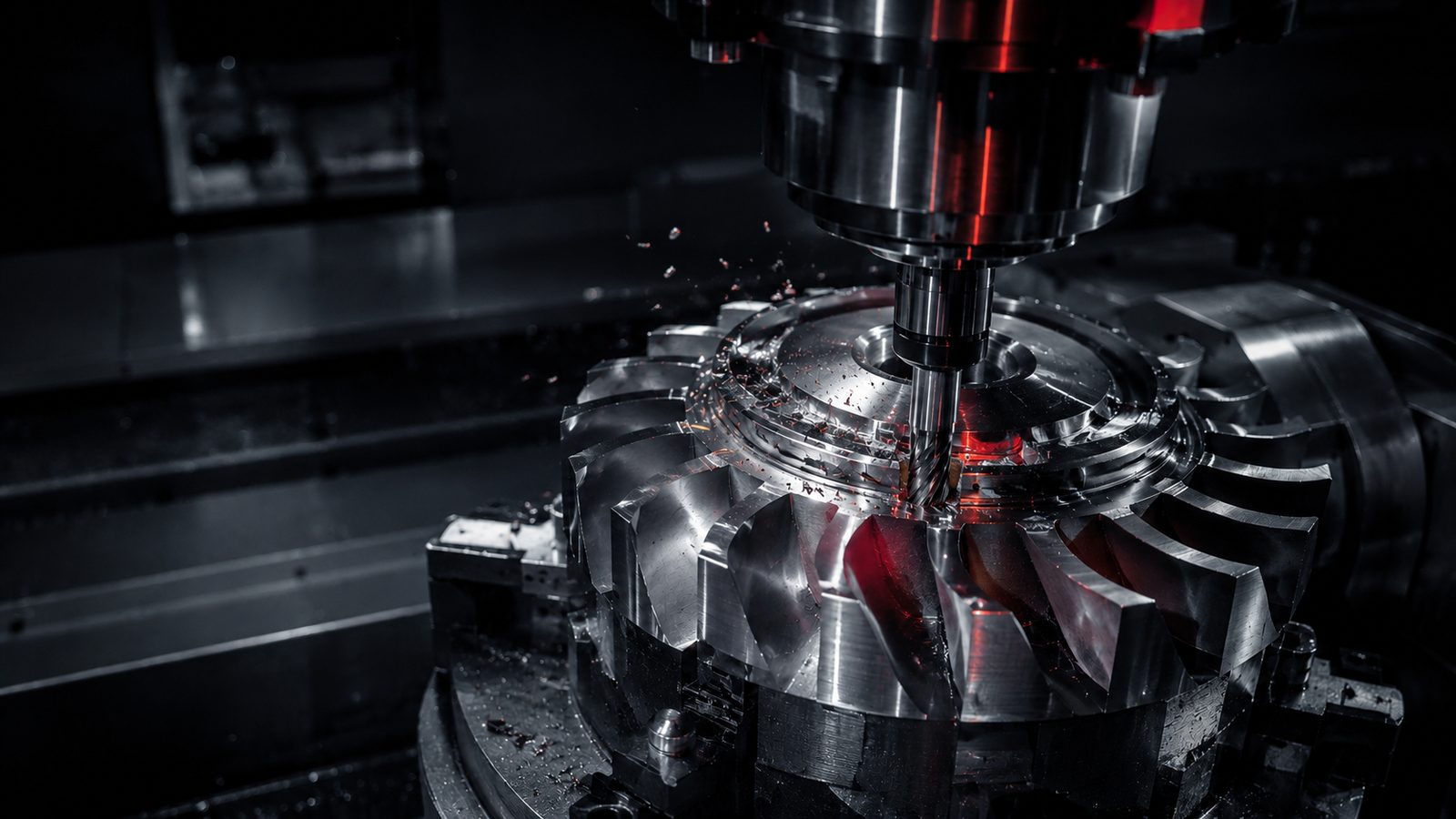 Article
Titanium · Hardened Steel
Advanced Tool Paths Improve Cutter Performance in Difficult Materials
Trochoidal tool paths control heat by controlling the arc of engagement — letting you run difficult alloys faster, deeper, and with longer tool life. Here's how to set them up.
Read the article →ArticleMold & Die
Choosing the Right Cutting Tool for the Mold Making Industry
Mold work splits into three jobs — pre-hard, annealed, and graphite — each with a right tool and a right tool path. A field guide to picking the cutter that pays dividends in finish and tool life.
Read the article →ArticleMold & Die · Aerospace
The Common Ground Between Moldmaking and Aerospace
The techniques that conquer hardened mold steel transfer almost directly to difficult aerospace alloys — heat control, the right coating, and smart entry moves. Here's the crossover playbook.
Read the article →ArticleTitanium · Aerospace
A Practical Approach to Milling Titanium
Titanium rewards rigidity and torque over speed. The practical path is the right machine, the right toolholder, and tool geometry built to shed heat — not heroics at the spindle.
Read the article →ArticleAerospace · Composites
New Aerospace Materials Require New Cutting Tools
CFRP-reinforced airframes broke the old hole-making playbook. RobbJack's answer is a solid-diamond 'W'-tipped drill — ground like carbide, but in 100% polycrystalline diamond.
Read the article →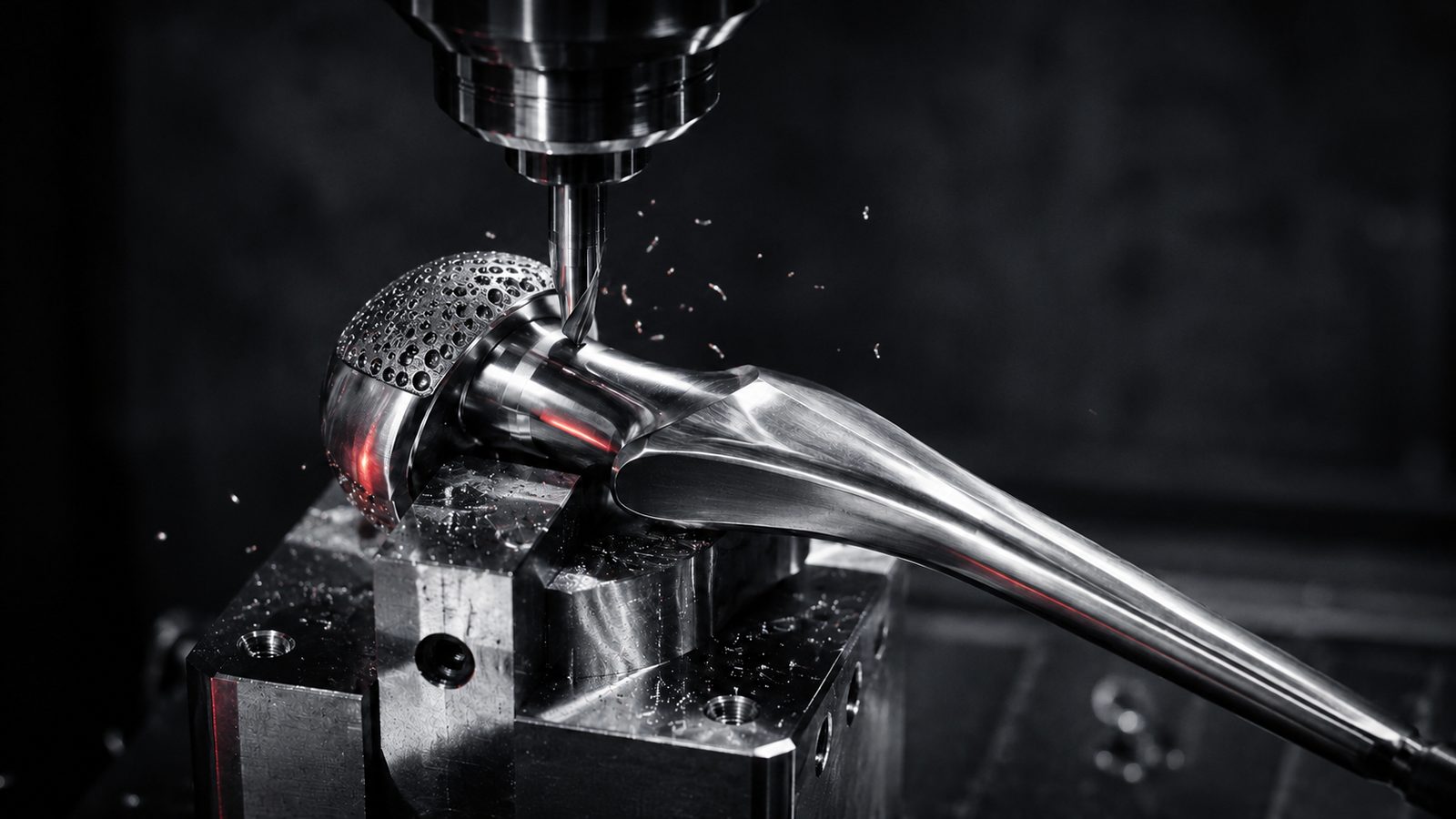 Article
Micro-Machining · Medical · Electronics
Big Difference in Micro-Machining: SS & SR Miniature End Mills
Edge geometries you can't see with the naked eye decide whether a 0.005" cutter holds size. RobbJack's SS and SR Series miniatures cut to micron tolerances — when nothing less will do.
Read the article →Tool Modifications
Coolant Grooves: Through-Spindle Cooling Without Through-Tool Holes
A lower-cost way to get coolant to the cut: ground grooves route through-spindle coolant around the outside of the tool. Add -CG to any RobbJack end mill part number.
Read the article →Wood · Cabinetry · Millwork
Switching Router Bit Brands: A Buyer's Guide for Wood & Cabinetry CNC Shops
Breaking bits, fuzzy edges, burn marks, and short life usually mean the tool — not the machine. What actually differs between router bits, and how to test a new brand without betting a job on it.
Read the article →Wood · Plastics · Aluminum
You Bought Your First CNC Machine. Here's Your Cutting Tool Game Plan.
Four or five tools cover most of your first year. Learn which ones, how to read the numbers on a tool, the five mistakes every new owner makes — and how to get real speeds and feeds instead of guessing.
Read the article →Composites · Woodworking · Abrasive Materials
When to Switch from Solid Carbide to Coated or PCD Tooling
"When should we switch to PCD?" is really a cost-per-part question. A decision guide to the ladder above uncoated carbide — PVD coatings, DLC, diamond coating, and PCD — and the materials where each one pays.
Read the article →Firearms · Knives · Molds · Production Hardware
Should You Coat Your Production Parts? A PVD & DLC Decision Guide for Manufacturers
PVD and DLC aren't just for cutting tools — manufacturers coat slides, bolt carriers, blades, mold components, and production hardware for wear, friction, corrosion, and a finish that doesn't change the print. Here's how to decide if coating pays, which film fits your part, and what a coating house needs from you.
Read the article →Troubleshooting Guides
Diagnose the problem at the spindle and fix it — cause by cause.
Chatter When Milling: Causes and How to Stop It
Chatter wrecks finish, chips edges, and shortens tool life. Here's the cause-by-cause checklist RobbJack's engineers use to make the cut quiet again.
Fix it →Poor Tool Life: Why Your End Mill Wears Out Too Fast
Burning through end mills? Most premature wear comes from too much surface speed, too little chip, or not enough coolant. Here's how to diagnose and fix it.
Fix it →Poor Surface Finish: Diagnose and Fix It
A rough wall or floor usually comes down to coolant, chip load, or a missing corner radius. Here's the quick diagnostic to get back to a clean finish.
Fix it →Part Dimensional Inaccuracy: Beating Tool Deflection
Parts drifting out of tolerance? It's almost always deflection. Shorten the tool, lighten the cut, and hold size — here's how RobbJack engineers diagnose it.
Fix it →Cutting-Edge Chipping: Causes and Fixes
A chipping edge looks like wear but isn't — it's overload or vibration. Here's how to tell the difference and protect the edge with the right prep and corner radius.
Fix it →Chip Welding & Built-Up Edge: How to Stop It
Material welding to the flutes ruins finish and breaks tools. The fix is coolant, the right coating, and giving chips room to escape. Here's the full checklist.
Fix it →Burrs on Your Parts: Causes and How to Cut Cleaner
Burrs mean secondary deburring, and that's lost money. They come from dull edges, gummy material, weak backing, and light feeds — here's how to cut clean the first time.
Fix it →